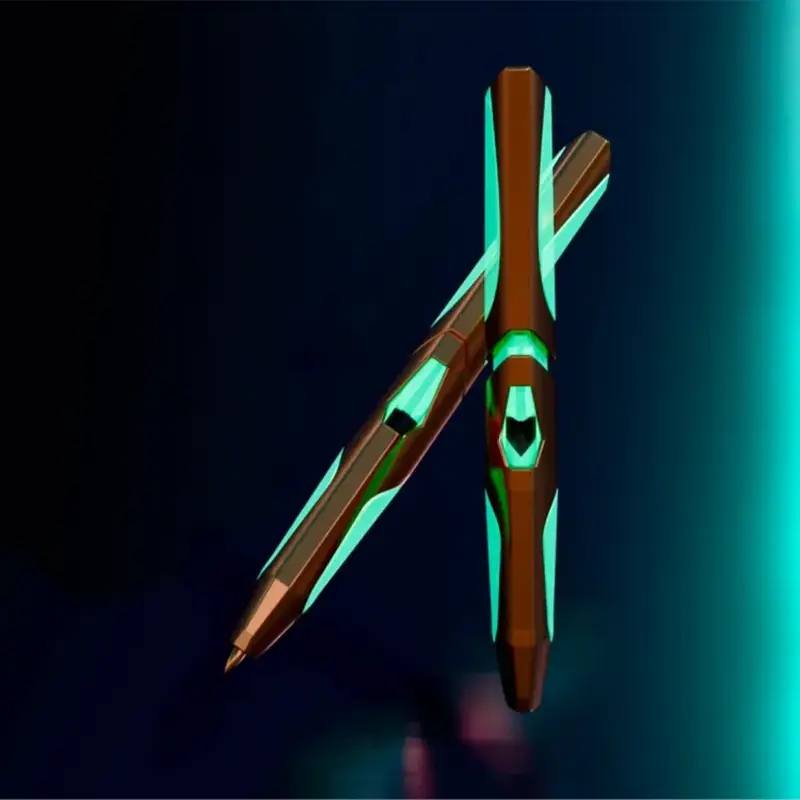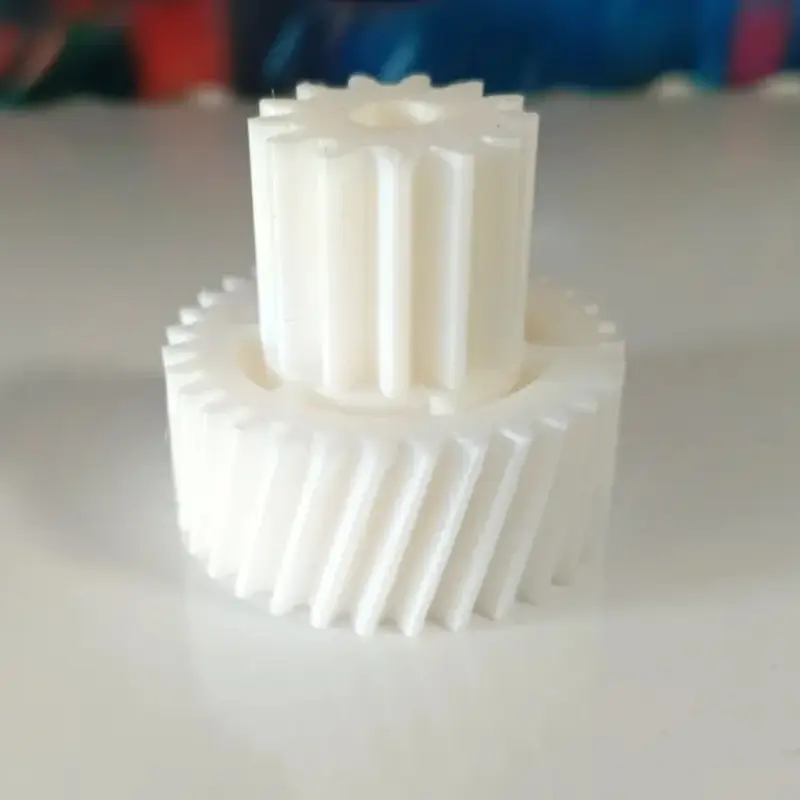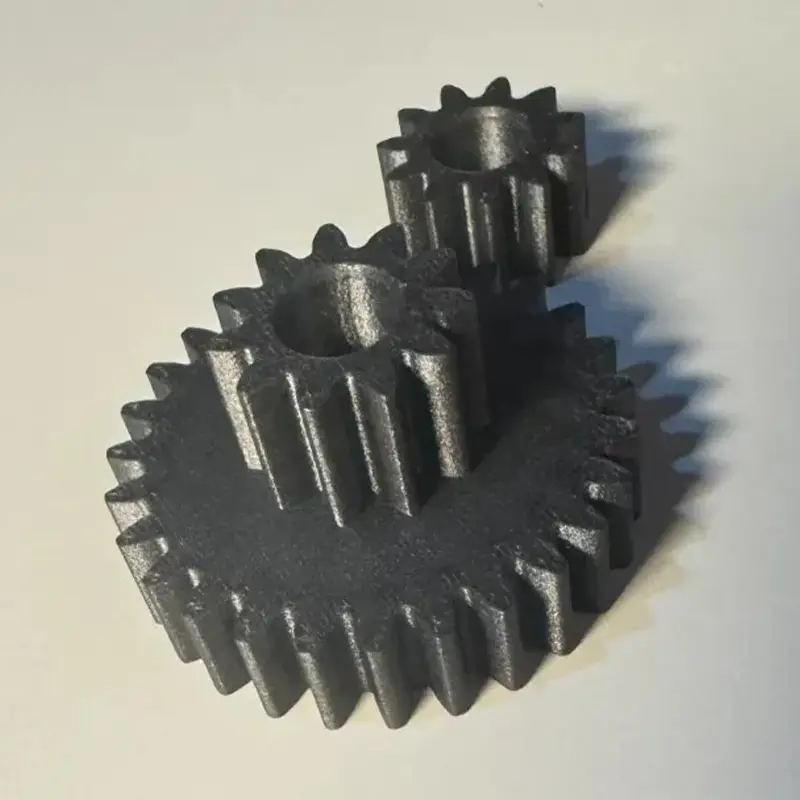
Have you ever faced the frustrating dilemma of needing 50 custom parts for a product launch, but discovering that traditional manufacturing methods require ordering 5,000 just to be cost-effective? What if you could produce exactly the quantity you need, when you need it, without massive upfront investments or months of waiting? Welcome to the game-changing world of low-volume and batch 3D printing production services, where the old rules of manufacturing no longer apply. This isn’t just about prototyping anymore—it’s about a fundamental shift in how businesses approach production. Imagine having the flexibility to test market demand with a small batch, make design changes between production runs without costly retooling, and bring products to market at speeds that leave competitors in the dust. Sound too good to be true? Let me show you how this technology is transforming businesses across industries and how you can leverage it for your success.
What is Low-Volume & Batch 3D Printing? Beyond Prototyping to Production
When most people hear “3D printing,” they think of simple prototypes or hobbyist trinkets. But the technology has evolved far beyond this limited perception. Low-volume and batch 3D printing production refers to the use of additive manufacturing technologies to produce functional end-use parts in quantities typically ranging from 10 to 500+ units. This approach fills the critical gap between one-off prototyping and mass production, offering a practical solution for businesses that need more than a single model but aren’t ready for thousand-unit orders. It’s like having a digital workshop that can produce exactly what you need, when you need it, without the constraints of traditional manufacturing.
Defining the Scale: Where Low-Volume and Batch Production Fit
So what exactly qualifies as “low-volume” in the world of 3D printing? While definitions vary, most experts consider production runs between 10-500 units as the sweet spot for 3D printing production. This range is perfect for market testing, limited edition products, custom components, and bridge manufacturing while tooling for mass production is being prepared. The beauty of this approach is its flexibility—you’re not locked into producing thousands of units before knowing if a product will succeed. You can test, iterate, and scale precisely according to market response, minimizing financial risk while maximizing agility.
The Technology Behind the Magic: FDM, SLA, and SLS Explained
The magic of modern 3D printing lies in its diverse technological ecosystem. Fused Deposition Modeling (FDM) builds parts layer by layer using thermoplastic filaments, ideal for functional prototypes and end-use parts. Stereolithography (SLA) uses lasers to cure liquid resin into incredibly detailed components perfect for high-precision applications. Selective Laser Sintering (SLS) fuses powder materials together, creating durable parts without support structures. Each technology offers unique advantages for different applications, and understanding which one fits your needs is key to successful 3D printing production. The common thread? All eliminate the need for expensive tooling, making small batches economically viable.
The Unbeatable Advantages of 3D Printing for Small-Batch Production
Why are businesses increasingly turning to 3D printing for their production needs? The advantages go far beyond simple convenience, touching every aspect of manufacturing from economics to design possibilities. In a world that demands faster turnaround, greater customization, and more sustainable practices, 3D printing delivers on all fronts.
Cost Efficiency: Slash Upfront Costs and Minimize Waste
Let’s talk numbers—because that’s where 3D printing makes an immediate impact. Traditional manufacturing methods like injection molding require significant upfront investment in tooling—anywhere from $5,000 to $50,000 for a single mold. This creates a massive barrier to entry for small batches. With 3D printing, there are no molds, no tooling, and no setup costs. You pay for the part itself, not the tool to make it. This economic shift makes small-batch production financially viable for the first time. Additionally, since 3D printing is an additive process (building parts layer by layer), it generates minimal waste compared to subtractive methods that carve away material. This combination of no tooling costs and reduced material waste can lower production expenses by 30-70% for quantities under 500 units.
Speed and Agility: From Concept to Parts in Days, Not Weeks
In today’s fast-moving markets, speed is a competitive advantage. Traditional manufacturing processes can take 8-12 weeks from design to delivery due to tooling and setup requirements. 3D printing compresses this timeline to as little as 1-3 weeks. How? The digital nature of the process means that once your design is finalized, production can begin immediately. There’s no waiting for tooling to be designed, created, and tested. This accelerated timeline means you can respond to market opportunities faster, iterate designs based on real-world feedback, and bring products to market before competitors even have prototypes. This agility is particularly valuable for industries with short product lifecycles or those that need to respond quickly to customer demands.
Design Freedom: Create What Was Once Impossible
Traditional manufacturing methods impose significant design constraints. Can you create internal channels, complex lattices, or organic shapes with injection molding? Not easily or cost-effectively. 3D printing liberates designers from these constraints, enabling the creation of geometries that were previously impossible or prohibitively expensive to produce. This design freedom translates to tangible benefits: lighter parts through optimized structures, improved functionality through integrated features, and enhanced performance through custom geometries. Think of it as the difference between drawing on a flat piece of paper versus sculpting in clay—one is limited to two dimensions while the other offers full creative freedom in three dimensions.
Material Versatility: Engineering-Grade Plastics and Composites
The material options for 3D printing production have expanded dramatically, moving far beyond basic plastics. Today’s engineering-grade materials include durable nylons, heat-resistant polymers, flexible thermoplastics, and even metal composites. This versatility means you can select materials with specific properties tailored to your application—whether you need biocompatibility for medical devices, UV resistance for outdoor applications, or strength for mechanical components. The ability to match material properties to functional requirements makes 3D printed parts suitable for increasingly demanding applications, from automotive components under the hood to surgical guides in operating rooms.
Real-World Applications: Where Low-Volume 3D Printing Shines
The theoretical advantages of 3D printing become concrete when examining its real-world applications across industries. From healthcare to consumer goods, businesses are leveraging this technology to solve specific challenges and create new opportunities.
Automotive and Aerospace: Lightweighting and Customization
In the automotive and aerospace sectors, where weight reduction directly translates to improved efficiency and performance, 3D printing enables the creation of complex, optimized components that are impossible with traditional methods. Companies use 3D printing production for custom jigs and fixtures, lightweight brackets, and even cabin components. The technology allows for part consolidation—combining multiple components into single printed parts—reducing assembly time and improving reliability. The ability to produce small batches of specialized components on-demand is particularly valuable for legacy systems where original parts may no longer be available, extending the life of expensive equipment without maintaining large inventories.
Healthcare: Patient-Specific Solutions and Medical Devices
Perhaps one of the most transformative applications of low-volume 3D printing is in healthcare. The technology enables the creation of patient-specific surgical guides, custom prosthetics, and anatomical models for pre-surgical planning. Unlike mass-produced medical devices, 3D printed solutions can be tailored to individual anatomy, improving outcomes and reducing surgery time. The ability to produce small batches of specialized instruments or devices makes it economically viable to address rare conditions or specialized procedures that wouldn’t justify traditional manufacturing runs. This customization capability is revolutionizing patient care while maintaining the sterility and biocompatibility requirements of the medical field.
Consumer Goods: Rapid Iteration and Personalization
In the consumer goods sector, where trends change rapidly and personalization is increasingly valued, 3D printing offers unprecedented flexibility. Companies can test product designs with small batches before committing to mass production, reducing the risk of costly failures. The technology enables limited edition runs, customized products, and rapid response to market trends. Imagine being able to produce seasonal variations of popular products, create personalized items based on customer preferences, or test new designs in specific markets—all without the inventory risk and upfront costs of traditional manufacturing. This agility is particularly valuable in industries like fashion, electronics accessories, and home goods where consumer preferences evolve quickly.
The 3D Printing Production Process: How It Works Step by Step
Understanding the production process helps demystify 3D printing and reveals why it’s so effective for low-volume manufacturing. The journey from concept to finished part is streamlined, digital, and surprisingly straightforward.
Step 1: Design and Digital Preparation
It all starts with a digital design. You provide a 3D model file (typically in STL or STEP format), which acts as the direct blueprint for production. If you don’t have a ready-to-print file, many service providers offer design services to create or optimize your model. This digital approach allows you to make changes quickly and inexpensively—a significant advantage over traditional methods, where design modifications require physical tool adjustments. Our team then prepares the file using slicing software, which translates the 3D model into layer-by-layer instructions the printer understands. During this preparation stage, we optimize orientation, support structures, and print parameters to ensure the best results.
Step 2: Technology and Material Selection
With your design ready, the next step is selecting the appropriate printing technology and material based on your requirements for strength, detail, flexibility, and appearance. Different technologies excel at different applications—FDM for durable functional parts, SLA for high detail, SLS for complex geometries without supports. Material selection is equally important, with options ranging from standard plastics to engineering-grade polymers with specific properties. This is where experienced providers add value, guiding you to the best combination for your specific application. The right choices here ensure your parts meet functional requirements while optimizing cost and production time.
Step 3: Printing, Post-Processing, and Quality Control
Once printing begins, the additive process builds your parts layer by layer. After printing, parts often require post-processing—removing support structures, sanding, painting, or other finishing touches to achieve the desired appearance and functionality. Quality control is critical throughout the process, with dimensional accuracy and material properties verified to ensure consistency across the entire batch. The result is finished parts ready for use, delivered in timeframes that traditional methods can’t match. This end-to-end process exemplifies the efficiency of modern 3D printing production services for low-volume manufacturing needs.
Why Choose Yuesun3D for Your 3D Printing Production Needs?
Selecting the right partner for your 3D printing production is crucial to achieving the full benefits of this technology. Yuesun3D brings years of specialized experience in industrial-grade additive manufacturing, offering comprehensive solutions from design assistance to final production. Our approach combines state-of-the-art equipment with materials expertise and rigorous quality control, ensuring consistent results batch after batch. We understand that low-volume production isn’t just about making parts—it’s about solving business challenges, reducing time to market, and providing the flexibility today’s competitive environment demands. Whether you need guidance on design for additive manufacturing, material selection advice, or reliable production capacity, our team provides the partnership approach necessary for success in today’s fast-paced market.
Conclusion: Embrace the Future of Manufacturing with 3D Printing
The manufacturing landscape is undergoing a fundamental transformation, and low-volume batch production using 3D printing is at the forefront of this change. The ability to produce functional parts in economic quantities without tooling investments represents a paradigm shift that makes manufacturing accessible, flexible, and responsive. As businesses face increasing pressure to innovate faster, customize products, and reduce waste, 3D printing offers a practical path forward. The question is no longer whether this technology is viable for production, but how quickly your organization can integrate it into your strategy. The future belongs to businesses that can adapt quickly, and 3D printing production provides the tools to make that future a reality today.
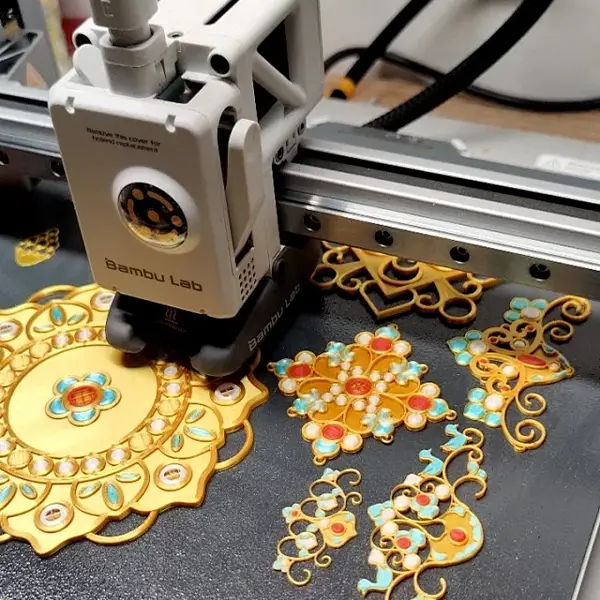
Frequently Asked Questions (FAQs)
Q1: How does the cost of 3D printing compare to injection molding for different quantities?
A1: The cost dynamics differ significantly between these methods. 3D printing has no upfront tooling costs, making it more economical for quantities typically under 500 units. Injection molding requires expensive tooling but lower per-part costs at high volumes. The “crossover point” where injection molding becomes cheaper varies but generally occurs between 500-1,000 units for most parts. For low volumes, 3D printing is typically 30-70% more cost-effective when considering total costs.
Q2: Are 3D printed production parts strong enough for functional applications?
A2: Absolutely. With modern industrial 3D printers and engineering-grade materials, printed parts can achieve mechanical properties comparable to injection-molded components. Materials like nylon, polycarbonate, and advanced composites produce durable, functional parts suitable for demanding applications. The key is selecting the appropriate technology and material for your specific requirements and following design best practices for additive manufacturing.
Q3: What is the typical lead time for low-volume 3D printing production?
A3: Lead times for low-volume 3D printing production are significantly shorter than traditional methods. Most projects can be completed within 1-3 weeks, compared to 8-12 weeks for tooling-dependent processes. The exact timeframe depends on part complexity, quantity, and post-processing requirements, but the elimination of tooling alone saves several weeks in the production timeline.
Q4: Can 3D printing produce parts with the same surface finish as injection molding?
A4: Straight off the printer, 3D printed parts typically have a different surface finish than injection-molded parts. However, with proper post-processing techniques like sanding, vapor smoothing, or painting, similar surface qualities can be achieved. The choice depends on your application requirements and budget—if cosmetic perfection is critical, post-processing can deliver injection-molded-like surfaces.
Q5: How scalable is 3D printing from prototype to production?
A5: 3D printing offers exceptional scalability from prototype to production. The same digital file and technology can be used throughout the process, ensuring consistency from first prototype to production parts. This continuity simplifies the transition and allows for design refinements at any stage without tooling modifications. For quantities beyond what 3D printing handles economically, the technology serves as an excellent bridge to traditional manufacturing methods.