Have you ever opened a kitchen drawer only to face a tangled mess of utensils that never quite fit your space perfectly? Or struggled with a smartphone stand that doesn’t accommodate your specific device and viewing angle? What if you could design and create perfect solutions for these everyday challenges right in your own home? Welcome to the revolutionary world of 3D printing daily necessities, where customization isn’t just a luxury—it’s becoming the new standard for modern living.
This technology has evolved far beyond prototyping to become a practical tool for creating functional, personalized items that enhance our daily experiences. From kitchen gadgets that match your cooking style to organizational solutions that finally tame that junk drawer, 3D printing puts the power of creation in your hands. Let’s explore how this transformative technology is reshaping our relationship with everyday objects and empowering us to solve problems we previously just accepted as part of life.
The 3D Printing Revolution: From Factory Floors to Your Living Room
Remember when 3D printing seemed like science fiction—something only massive corporations or research labs could access? Today, that technology sits comfortably on desktops and in home workshops, ready to transform digital designs into physical objects with precision and reliability. The journey from industrial applications to household utility represents one of the most significant shifts in personal manufacturing since the industrial revolution. What makes this technology so revolutionary for creating 3D printing daily necessities is its fundamental approach: where traditional manufacturing relies on subtraction (carving away material) or formation (molding materials), 3D printing builds objects layer by precise layer. This additive process means we can create geometries and customizations that were previously impossible or prohibitively expensive.
How Additive Manufacturing is Transforming Everyday Object Creation
The magic of 3D printing lies in its digital nature. Think of it like the difference between handwriting a letter and using a word processor. With handwriting, making changes is messy and difficult. But with a word processor, you can edit, customize, and perfect your document before printing. 3D printing brings this same flexibility to physical objects. If you need a kitchen tool with a specific handle shape to accommodate arthritis, or an organizer that fits that awkward space in your bathroom cabinet perfectly, you can design it digitally and then print it physically. This capability transforms us from passive consumers of mass-produced goods to active creators of solutions tailored to our specific needs and spaces. The implications for personalization, sustainability, and problem-solving are tremendous, as we’re no longer limited to what manufacturers decide to produce in bulk.
Kitchen Innovations: Custom 3D Printed Gadgets That Enhance Culinary Experiences
The kitchen is often called the heart of the home, and it’s also where 3D printing daily necessities can make an immediate, noticeable impact on your quality of life. How many times have you struggled with a poorly designed utensil or wished for an organizer that actually fits your unique collection of spices and tools? With 3D printing, solutions are limited only by your imagination. The kitchen represents a perfect environment for custom printed items because standard products so rarely match our specific needs, space constraints, or personal aesthetics. From replacing broken utensil handles to creating completely new tools that don’t even exist in stores, 3D printing turns kitchen frustrations into opportunities for innovation.
Food-Safe Solutions: Beyond Basic Utensils to Smart Kitchen Organization
When it comes to kitchen applications, material selection is crucial. For items that contact food, you’ll want to use food-safe filaments like PETG or PLA that can be properly cleaned and maintained. But beyond basic safety considerations, 3D printing enables organizational solutions that transform chaotic kitchens into streamlined cooking spaces. Imagine a spice rack designed specifically for your cabinet dimensions, or a pot lid holder that maximizes your vertical storage space. These aren’t hypothetical scenarios—they’re practical applications that home 3D printing enthusiasts are implementing every day. The beauty of these custom solutions is that they address your specific pain points rather than forcing you to adapt to one-size-fits-all products that rarely fit perfectly.
Personalized Culinary Tools: Measuring Cups, Spice Racks, and Specialty Gadgets
Perhaps the most exciting aspect of kitchen-focused 3D printing daily necessities is the ability to create tools that reflect your culinary passions. Are you a baker who needs measuring spoons for unusual quantities? A coffee enthusiast who wants a custom grounds dispenser? A home cook frustrated with generic tools? 3D printing enables you to design and produce exactly what you need. Custom cookie cutters in unique shapes, specialized rolling pins with precise thickness guides, and even garlic presses designed for your hand size—all become possible with this technology. This level of personalization transforms cooking from a chore into a creative expression, with tools that feel like extensions of your hands rather than awkward implements you tolerate.
Home Organization Mastery: Taming Clutter with Custom 3D Printed Solutions
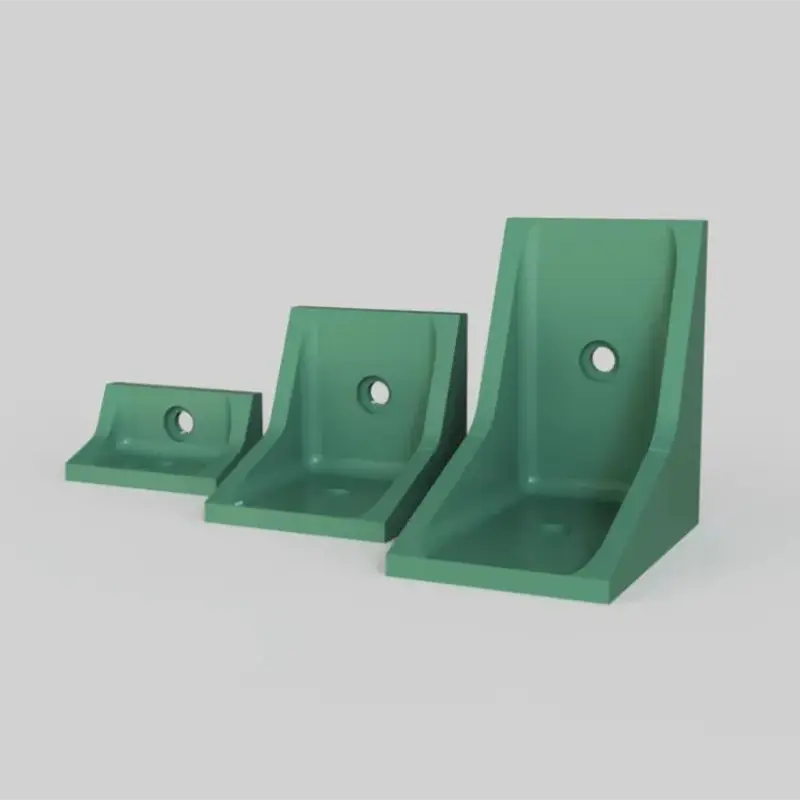
Let’s be honest—modern life comes with a lot of stuff, and keeping that stuff organized can feel like a constant battle. Traditional organizational products promise solutions but often create new problems by not quite fitting our spaces or needs. This is where 3D printing daily necessities shines brightest, allowing you to create organizational systems that work with your lifestyle rather than against it. The ability to design and produce custom organizers, hooks, dividers, and storage solutions represents perhaps the most practical application of home 3D printing. Whether you’re dealing with cable chaos, drawer disorganization, or awkward storage spaces, custom printed solutions can bring order to the chaos in ways that off-the-shelf products simply cannot match.
Conquering Cable Chaos: Innovative Management Systems for Modern Homes
In our connected world, cables might be the most ubiquitous source of visual clutter. Charging cables, audio cables, network cables—they seem to multiply when we’re not looking. While you can buy generic cable organizers, they rarely address the specific configuration of your devices and furniture. With 3D printing, you can create custom clips that fit your desk thickness, cable channels that match your decor, and device-specific holders that keep everything tidy and accessible. These solutions not only reduce visual clutter but also protect your cables from damage, extending their lifespan and saving you money. The ability to print exactly what you need, in the exact quantity required, makes 3D printing uniquely suited to solving cable management challenges that have frustrated people for decades.
Space Optimization: Custom Shelving, Organizers, and Storage Solutions
Every home has those awkward spaces that standard storage solutions just don’t fit—the narrow gap beside the refrigerator, the oddly shaped bathroom cabinet, the desk with unconventional dimensions. This is where mass production fails and custom 3D printing daily necessities excels. By creating custom dividers for drawers, specialized shelves for closets, and modular organizers that adapt to your changing needs, you can maximize every inch of your living space. The financial benefits are significant too—rather than replacing furniture that doesn’t work, you can print custom solutions that make existing furniture more functional. This approach not only saves money but reduces waste, aligning with sustainable living principles while solving practical storage challenges.
Personalized Living: 3D Printing for Home Decor, Fashion, and Self-Expression
Beyond pure functionality, 3D printing daily necessities opens exciting possibilities for personal expression and aesthetic customization. In a world of mass-produced home decor and fashion accessories, 3D printing allows you to break free from the monotony of identical products and surround yourself with items that truly reflect your personality. This aspect of 3D printing transforms practical items into statements of identity, blurring the line between utility and art. Whether it’s a lampshade with a pattern meaningful to your family, a jewelry stand designed around your specific collection, or wall art that complements your unique color scheme, 3D printing enables a level of personalization previously available only to those with substantial financial resources for custom commissioning.
Custom Jewelry and Wearables: Fashion That Truly Fits Your Style
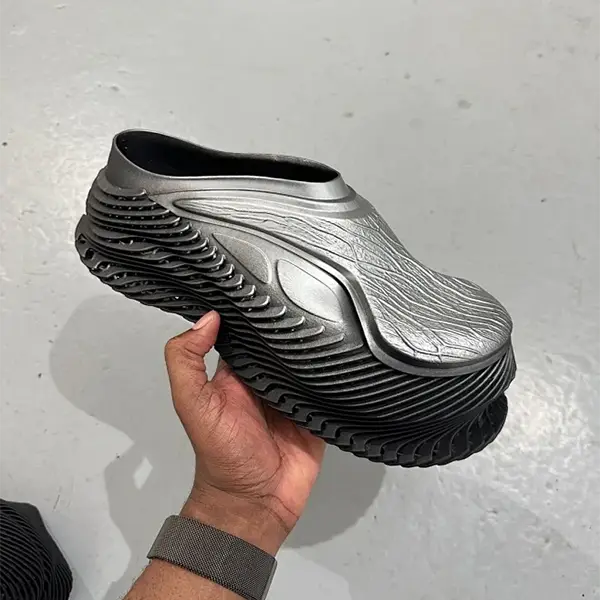
The fashion industry operates on standardized sizing and trends, but what if your accessories could be as unique as you are? 3D printing makes this possible by allowing you to create jewelry, eyewear accessories, and even custom footwear elements that match your exact preferences. The ability to iterate designs quickly means you can perfect a piece rather than settling for what’s available. For people with specific needs—perhaps unusual ring sizes or lightweight requirements for medical reasons—3D printing offers solutions that simply don’t exist in the traditional marketplace. This application demonstrates how technology can humanize fashion by making it more inclusive and responsive to individual differences rather than forcing conformity to standardized options.
Home Decor Revolution: Vases, Art Pieces, and Functional Decor
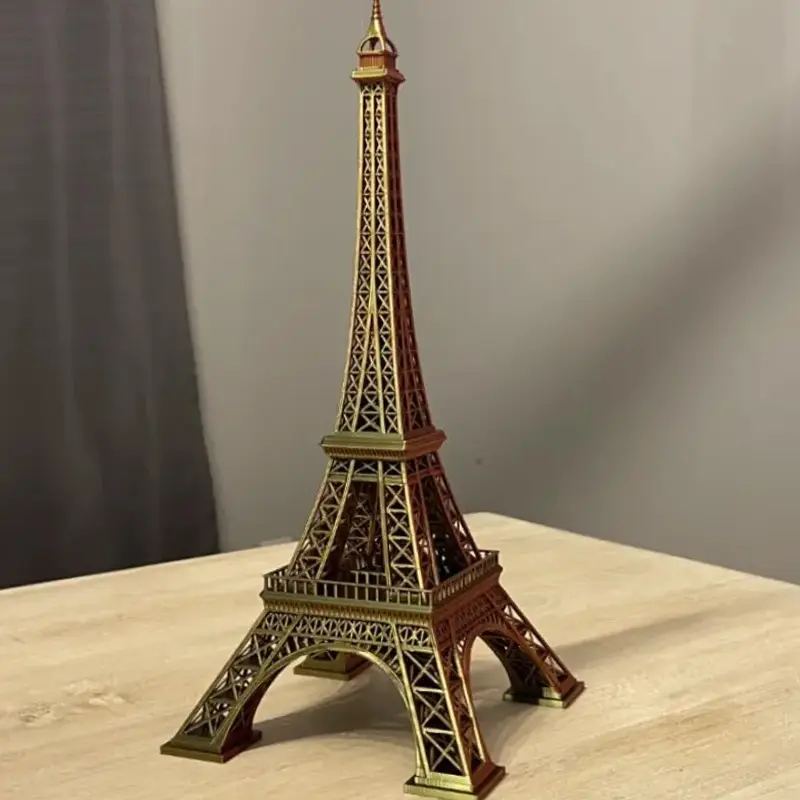
Our living spaces should reflect who we are, but store-bought decor often ends up looking generic. With 3D printing daily necessities for home decor, you can create pieces that carry personal meaning while serving practical functions. A vase designed around a favorite mathematical pattern, bookends that reflect your literary tastes, or switchplate covers that complement your architectural details—all become possible with this technology. The real magic happens when functional items become decorative statements: a toilet paper holder that amuses guests, a soap dish that enhances your bathroom aesthetic, or a magazine rack that serves as a conversation piece. This fusion of utility and beauty represents the full potential of personalized manufacturing in the home environment.
Practical Problem-Solving: 3D Printed Fixes for Everyday Annoyances
Some of the most satisfying applications of 3D printing daily necessities involve solving those small but persistent problems that commercial products ignore. These are the “why doesn’t this exist?” moments—when you encounter a specific need that mass manufacturers haven’t addressed because the market might be too small. This is where 3D printing truly shines, turning everyday frustrations into opportunities for creative problem-solving. The ability to identify a need and then design and produce a solution represents a fundamental shift in our relationship with the material world. Instead of adapting to available products, we can now create products that adapt to our lives.
Repair and Replacement: Saving Money and Reducing Waste
We’ve all experienced the frustration of a broken plastic part rendering an otherwise functional item useless. A dishwasher tab dispenser breaks, a vacuum cleaner loses a wheel, a child’s toy loses a small but crucial component—traditional solutions often involve replacement or professional repair. With 3D printing, you can often create replacement parts that extend the life of products indefinitely. This application not only saves money but represents an environmentally conscious approach to consumption. By repairing rather than replacing, we reduce waste and develop a healthier relationship with our possessions. The ability to scan, measure, and recreate broken parts has transformed 3D printers from novelty items into essential tools for sustainable living.
Specialized Tools for Unique Challenges: Accessibility and Custom Solutions
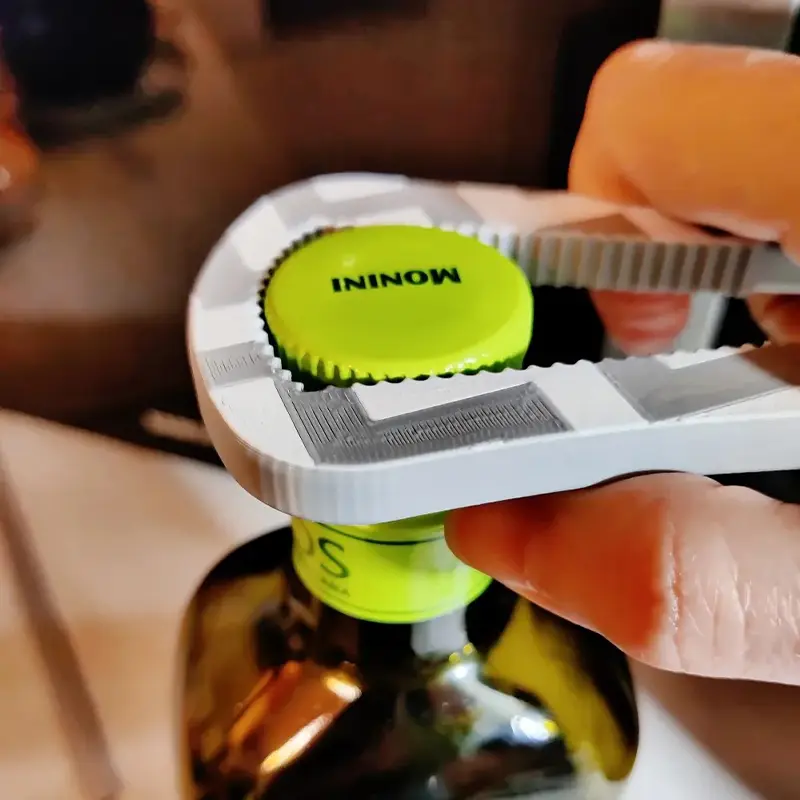
Perhaps the most meaningful applications of 3D printing daily necessities involve creating solutions for accessibility challenges. Traditional assistive devices are often clinical-looking, expensive, and poorly suited to individual needs. 3D printing enables the creation of custom grips for utensils, dressing aids, and other assistive devices that are both functional and aesthetically pleasing. For people with specific physical needs, this technology can be life-changing, providing tools that increase independence and quality of life. But you don’t need a specific medical requirement to benefit—ergonomic tools that reduce strain, specialized holders that make tasks easier, and custom solutions for hobby-related challenges are all within reach with this technology. This aspect of 3D printing demonstrates its potential to make daily life not just more efficient but genuinely better.
The Yuesun3D Advantage: Bringing Your Custom 3D Printing Daily Necessities to Life
While the possibilities of 3D printing daily necessities are exciting, realizing them requires expertise, quality materials, and reliable equipment. This is where partnering with an experienced provider like Yuesun3D transforms potential into reality. Our approach combines cutting-edge technology with practical knowledge to ensure your custom printed items meet the highest standards of functionality and durability. We don’t just print your designs—we help optimize them for real-world use, selecting the ideal materials and parameters for each application. Whether you need custom 3D printed household items or are looking for a reliable 3D printing service for home essentials, our team ensures exceptional results that stand up to daily use. From initial concept to finished product, we make the process accessible, reliable, and remarkably effective for transforming your living space.
The Future is Printed: How 3D Printing Daily Necessities Will Continue to Evolve
As we look ahead, the trajectory of 3D printing daily necessities points toward even greater integration into our daily lives. We’re moving toward a future where printing household items becomes as commonplace as online shopping is today. The technology will continue to become more accessible, materials will expand to include more sustainable options, and design software will become increasingly intuitive. What begins today as custom organizers and replacement parts will evolve into entire systems of interconnected items designed around our specific needs and preferences. The boundary between digital design and physical reality will continue to blur, making customization the norm rather than the exception. This evolution promises not just greater convenience but a fundamental shift in how we relate to the objects in our lives—from passive consumers to active creators.
Frequently Asked Questions About 3D Printing Daily Necessities
Q1: How durable are 3D printed household items compared to traditionally manufactured products?
A1: With proper design and material selection, 3D printed household items can be remarkably durable. While early 3D prints had reputation for being fragile, modern materials like PETG, ABS, and specialty composites produce items that withstand daily use effectively. The key lies in understanding the application—using appropriate infill densities, optimal print orientations, and post-processing techniques. For many applications, properly printed items last for years of regular use, though they may not match the durability of injection-molded commercial products for high-stress applications.
Q2: Are 3D printed items safe for food-related applications?
A2: Food safety depends on both the material used and the printing process. Materials like PETG and PLA are generally considered food-safe, but the printing process itself can create microscopic spaces where bacteria can grow. For items with limited food contact (like cookie cutters) or dry food storage, 3D printed items are perfectly safe. For items requiring frequent washing or wet food contact, consider using food-safe coatings or sticking to items with minimal direct food contact. Always research materials thoroughly for specific applications.
Q3: How difficult is it to design custom 3D printable items without technical experience?
A3: The learning curve has dramatically decreased with user-friendly software now available. Beginners can start with simple modification of existing designs using free software like Tinkercad, which offers intuitive interfaces requiring no prior experience. For more complex designs, numerous online tutorials and communities provide support. Many people find they can create basic custom solutions within a weekend of exploration. For complex items, working with a service that provides design assistance can bridge the gap between idea and implementation.
Q4: What types of household items aren’t well-suited for 3D printing?
A4: While 3D printing is versatile, some items remain challenging. These include products requiring high heat resistance (like stove components), items needing flexibility beyond what TPU filament offers, objects requiring complete watertightness without post-processing, and products subject to high mechanical stress. Additionally, large items may be impractical due to printer size limitations, though they can often be printed in segments. Understanding these limitations helps set realistic expectations for what can be successfully printed.
Q5: How cost-effective is 3D printing household items compared to buying them?
A5: The economics depend on what you’re comparing. For common, mass-produced items, purchasing is typically cheaper. But for custom solutions, rare replacement parts, or specialized organizers, 3D printing often proves significantly more cost-effective. When you factor in the time savings from solving organization problems, the ability to repair rather than replace items, and the perfect fit of custom solutions, the value proposition becomes compelling. The break-even point continues to shift toward 3D printing as technology advances and material costs decrease.