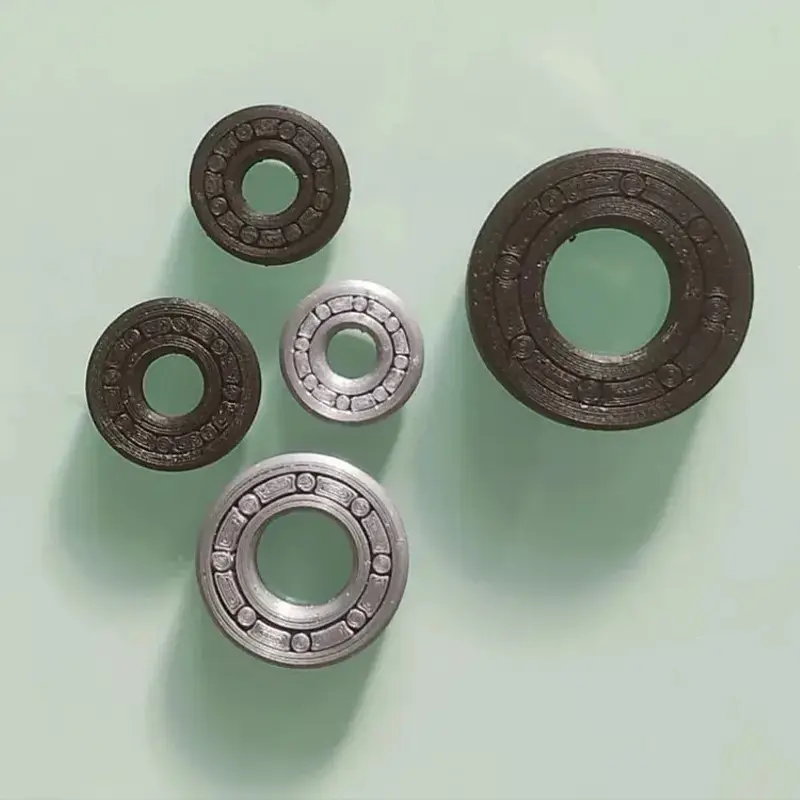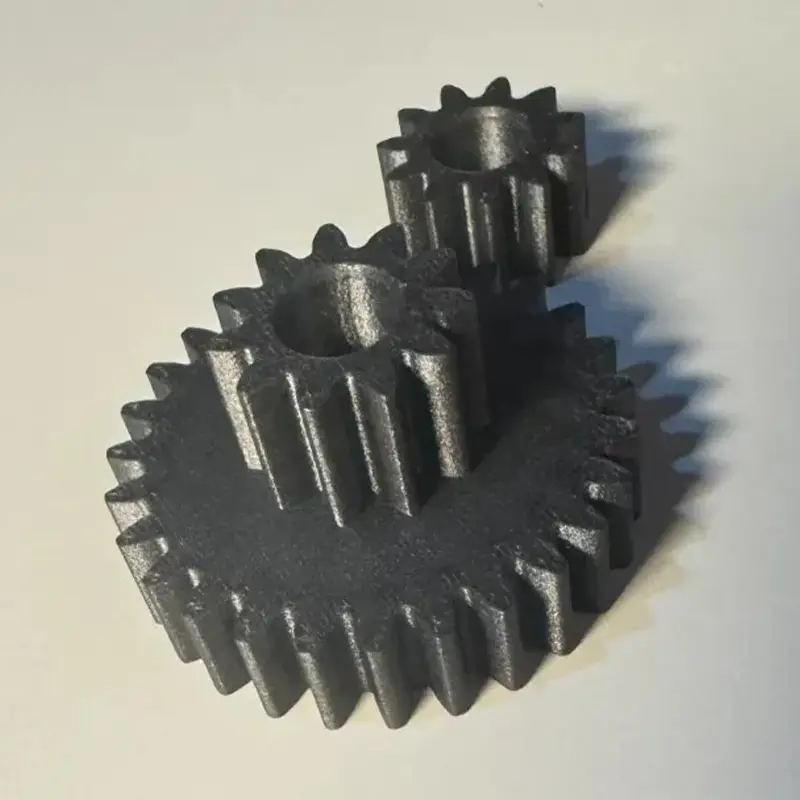
Are you tired of waiting weeks for a simple jig to be machined? Frustrated with the astronomical costs of custom fixtures that drain your budget before production even begins? What if you could design a custom tool in the morning, print it by lunch, and have it on your production line by the end of the day? This isn’t a fantasy; it’s the reality of modern FDM solutions for jigs, fixtures, and tooling. We’re not just talking about sticking a 3D printer in the corner for prototyping. We’re talking about a fully integrated FDM solution that transforms how you create tooling—making it faster, cheaper, and smarter. Imagine slashing lead times from weeks to days, reducing costs by up to 70%, and creating tools with geometries that would be impossible with traditional methods. Ready to stop fighting with outdated tooling processes and start building a more agile manufacturing operation? Let’s dive in.
The Tooling Dilemma: Why Old-School Methods Are Killing Your Productivity
For decades, manufacturing has been trapped in a slow, expensive cycle when it comes to tooling. Need a custom fixture? That’ll be 4-6 weeks and thousands of dollars in CNC machining costs. Discover a flaw in your design? Go back to square one and add more time and money. This traditional approach creates massive bottlenecks that ripple through your entire operation, delaying product launches, increasing costs, and stifling innovation. The tooling becomes a barrier rather than an enabler. But what if you could break this cycle? What if you could iterate tool designs as quickly as you iterate product designs? That’s the power of integrated FDM solutions—they turn tooling from a bottleneck into a strategic advantage.
What Are Integrated FDM Solutions? More Than Just a 3D Printer
When we talk about integrated FDM solutions, we’re not just talking about buying a 3D printer. We’re talking about a complete ecosystem that combines hardware, software, materials, and expertise to revolutionize your tooling process. It’s the difference between owning a single tool and having a fully equipped workshop.
The Technology Stack: Hardware, Software, and Materials Working in Harmony
True integration means your FDM system speaks the same language as your CAD software. It means having access to a range of engineering-grade materials specifically selected for tooling applications. It means workflow integration that lets your engineers design a fixture and send it directly to printing with minimal steps in between. This seamless connection between design and production is what separates basic 3D printing from a truly integrated FDM solution that becomes a natural part of your manufacturing workflow.
Beyond Prototyping: When FDM Becomes a Production Workhorse
The biggest misconception about FDM technology is that it’s only for prototyping. Nothing could be further from the truth. With today’s industrial-grade FDM systems and advanced materials like carbon-fiber reinforced composites, printed jigs and fixtures can withstand the rigors of daily use on production lines. We’re talking about tools that last for thousands of cycles, fixtures that maintain precision under load, and jigs that outperform their metal counterparts in many applications. When properly integrated, FDM becomes a manufacturing workhorse, not just a prototyping toy.
The Tangible Benefits: How Integrated FDM Solutions Transform Your Operations
So what exactly do you gain by embracing integrated FDM for your tooling needs? The benefits go far beyond just faster printing speeds.
Speed and Agility: From Design to Functional Tool in Days, Not Weeks
This is the most immediate and dramatic benefit. Traditional tooling requires programming, setup, machining, and often multiple iterations that can stretch over weeks. With an integrated FDM approach, that timeline collapses. Design a fixture in CAD today, print it overnight, and test it tomorrow morning. Find an issue? Modify the digital file and print a new version the same day. This agility transforms your entire development process, allowing you to respond to production changes in real-time rather than waiting for tooling to catch up.
Cost Reduction: Slashing Tooling Expenses by Up to 70%
Let’s talk numbers. Traditional CNC-machined aluminum fixtures can cost thousands of dollars each. The same fixture produced with integrated FDM solutions might cost a fraction of that amount. But the savings go beyond just material costs. You eliminate expensive machining time, reduce labor costs, and minimize material waste since FDM is an additive process. Perhaps most importantly, you avoid the massive costs of production delays caused by tooling bottlenecks. When you add it all up, companies typically see 50-70% reductions in their tooling expenses after implementing integrated FDM approaches.
Design Freedom: Creating Tools That Were Previously Impossible
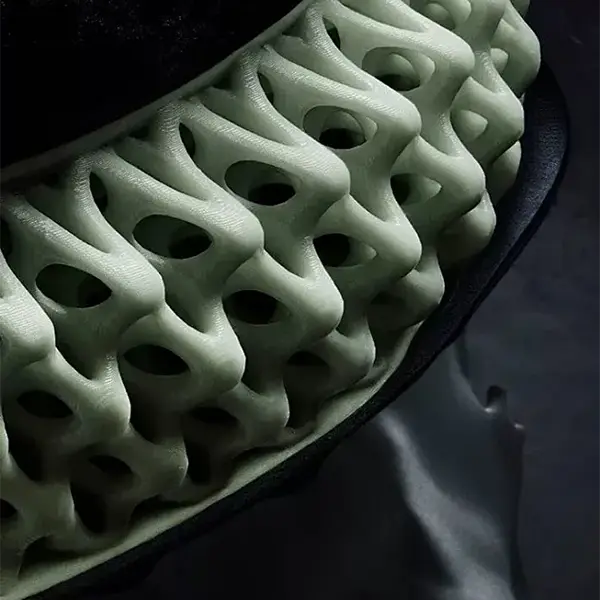
This is where integrated FDM truly shines. Traditional machining methods limit you to certain geometries. With FDM, you can create organic shapes, internal channels, and complex features that would be impossible or prohibitively expensive to machine. This means you can design tools that are perfectly optimized for their specific function—ergonomic handles for operator comfort, lightweight structures for easy handling, and custom features that solve unique production challenges. This design freedom enables tooling innovations that can transform your manufacturing processes.
Real-World Applications: Integrated FDM in Action Across Industries
Still skeptical? Let’s look at how companies are using integrated FDM solutions to solve real manufacturing challenges today.
Automotive Manufacturing: Custom Assembly Fixtures and Jigs
In the automotive industry, where production lines change frequently and customization is increasingly important, integrated FDM solutions enable rapid creation of custom assembly fixtures. A major automaker reduced their fixture lead time from 3 weeks to 2 days while cutting costs by 65%. They now print custom jigs for each vehicle variant, ensuring perfect alignment and significantly reducing assembly errors. The lightweight FDM fixtures also reduce operator fatigue, boosting productivity on the line.
Aerospace: Lightweight, Durable Tooling for Complex Components
Aerospace components often have complex geometries that require equally complex tooling during manufacturing. One aerospace supplier uses integrated FDM to create custom fixtures for composite layup and trimming operations. These fixtures are not only produced in days instead of weeks but are also 70% lighter than their metal counterparts, making them easier and safer to handle. The ability to quickly produce custom tooling has been particularly valuable for low-volume production of specialized components where traditional tooling costs would be prohibitive.
Electronics: Precision Fixtures for Delicate Assembly Processes
In electronics manufacturing, where components are small and delicate, precision tooling is essential. A consumer electronics company implemented an integrated FDM solution for their assembly fixtures, resulting in a 45% reduction in tooling costs and 80% faster iteration cycles. The ability to quickly produce antistatic fixtures with custom features for specific PCB layouts has improved their assembly quality while dramatically reducing tooling expenses. This agility is particularly valuable in the fast-paced electronics industry where product designs change frequently.
The Implementation Journey: How to Successfully Integrate FDM into Your Workflow
Implementing integrated FDM solutions requires more than just buying equipment. It requires a strategic approach to ensure successful adoption and maximum ROI.
Step 1: Assessing Your Needs and Identifying Opportunities
The first step is understanding where FDM can provide the most value in your specific operation. Look for pain points—tools with long lead times, high costs, or frequent design changes. Identify applications where custom tooling could improve efficiency but has been avoided due to cost or time constraints. Start with a pilot project that has a high likelihood of success to build confidence and demonstrate value before expanding to other applications.
Step 2: Selecting the Right Materials and Technology
Not all FDM solutions are created equal. For tooling applications, you need industrial-grade equipment capable of printing with engineering materials that can withstand production environments. Materials like ABS, nylon, and composite-reinforced thermoplastics offer the durability needed for repeated use. The right partner can help you select the optimal technology stack for your specific requirements, ensuring your investment delivers maximum value. This is where a provider like Yuesun3D brings tremendous value, offering expertise in selecting and implementing the right FDM solutions for industrial tooling applications.
Step 3: Training and Change Management for Maximum Adoption
Technology is only part of the solution. Your team needs to understand how to leverage these new capabilities effectively. This means training designers to think differently about tool design, teaching operators how to use and maintain the equipment, and creating workflows that integrate seamlessly with your existing processes. Successful implementation requires buy-in at all levels of the organization, from leadership to the production floor.
The Yuesun3D Advantage: Your Partner in Integrated FDM Solutions
Implementing integrated FDM solutions is easier when you have the right partner. Yuesun3D brings years of experience helping manufacturers transform their tooling processes with tailored FDM solutions. We don’t just sell equipment; we provide complete solutions including technology selection, material recommendations, implementation support, and ongoing optimization. Our expertise ensures you avoid common pitfalls and accelerate your time to value. With Yuesun3D as your partner, you gain more than technology—you gain a strategic advantage that helps you stay competitive in an increasingly challenging manufacturing landscape.
Conclusion: The Future of Tooling Is Integrated, Adaptive, and On-Demand
The manufacturing world is changing faster than ever, and companies that cling to outdated tooling methods will struggle to compete. Integrated FDM solutions represent a fundamental shift in how we approach tooling—from a slow, expensive, linear process to a fast, affordable, iterative one. This isn’t just an incremental improvement; it’s a transformation that affects your entire operation, from design to production. The question isn’t whether you can afford to implement integrated FDM solutions; it’s whether you can afford not to. The future of manufacturing belongs to companies that can adapt quickly, and integrated FDM tooling provides the agility you need to thrive in this new environment.
Frequently Asked Questions (FAQs)
Q1: How durable are FDM-printed jigs and fixtures compared to traditional metal tooling?
A1: While metal tooling still excels in high-temperature, high-wear applications, modern FDM-printed tools using engineering-grade materials are surprisingly durable. Materials like carbon-fiber reinforced nylon can withstand thousands of cycles in many production environments. The key is selecting the right material for your specific application, and many companies find that FDM-printed tools last longer than expected while costing significantly less than metal alternatives.
Q2: What types of materials are available for FDM tooling applications?
A2: The material selection for FDM tooling has expanded dramatically in recent years. Beyond standard PLA and ABS, you now have access to engineering-grade materials including various nylons (with and without reinforcement), polycarbonate, PETG, and advanced composites filled with carbon fiber, fiberglass, or other materials. These materials offer properties tailored to specific applications, from high heat resistance to exceptional strength and stiffness.
Q3: How difficult is it to implement integrated FDM solutions in an existing manufacturing environment?
A3: Implementation complexity varies depending on your starting point, but modern FDM systems are designed for industrial environments. The biggest challenge is often cultural rather than technical—helping your team think differently about tooling design and workflow. With proper planning, training, and partner support, most companies can successfully implement integrated FDM solutions with minimal disruption to existing operations.
Q4: What is the typical ROI for implementing integrated FDM tooling solutions?
A4: ROI varies by application and volume, but most companies see a full return on investment within 6-12 months. The savings come from multiple areas: reduced tooling costs, faster time-to-market, reduced inventory (since tools can be printed on-demand), and productivity improvements from better-designed tools. Many companies are surprised by how quickly the investment pays for itself once they start using the technology for their tooling needs.
Q5: Can FDM-printed tools be used in regulated industries like medical device manufacturing?
A5: Yes, with proper validation and material selection. Many FDM materials are available in medical-grade formulations that meet relevant regulatory requirements. The key is working with a partner who understands the regulatory landscape and can help you implement a validated process that meets industry standards. Many medical device manufacturers now use FDM-printed tools for everything from assembly fixtures to surgical guides.